 Wingspan Tech



Low Flow Pressure Washer
Low-flow pressure washers are very effective in everyday cleaning and car washes under water restrictions. For home owners and mobile car washers who rely solely on well water systems, low-pressure garden hoses, or whose own water sources are limited, a low-flow washer at a pressure of 1000 to 2000 PSI and a flow rate controlled between 1.0 and 1.5 GPM is the golden balance to achieve excellent water conservation without sacrificing cleaning power. In fluid dynamics, reducing water usage does not mean losing impact; by reducing the nozzle aperture, the system can exponentially increase the water flow rate while limiting the flow rate. You can safely strip away mud, grease and dirt while saving up to 50% of water. Not only can you effectively prevent cavitation damage to well pumps or mobile water tanks from bottoming out too quickly, but you can also maintain a safe and efficient modern cleaning system.

Balancing Low Flow And High Pressure
When designing or configuring an efficient cleaning system, it is crucial to understand the physical relationship between flow and pressure. PSI represents the “kinetic energy” required to break up and break up the physical and chemical bonding forces between dirt and the surface of an object, while GPM represents the “water volume” responsible for washing away the dirt and scrubbing.If the system design can reduce the water output to 1.0 to 1.5 GPM while maintaining a strong pressure of 1000 to 2000 PSI, this is actually a carefully calculated golden balance. This configuration ensures that you still have enough physical cutting force to peel away dirt without wasting a drop of water, which is the ultimate solution for modern efficient and water-saving cleaning.
Solving Water Limits And Pump Cavitation
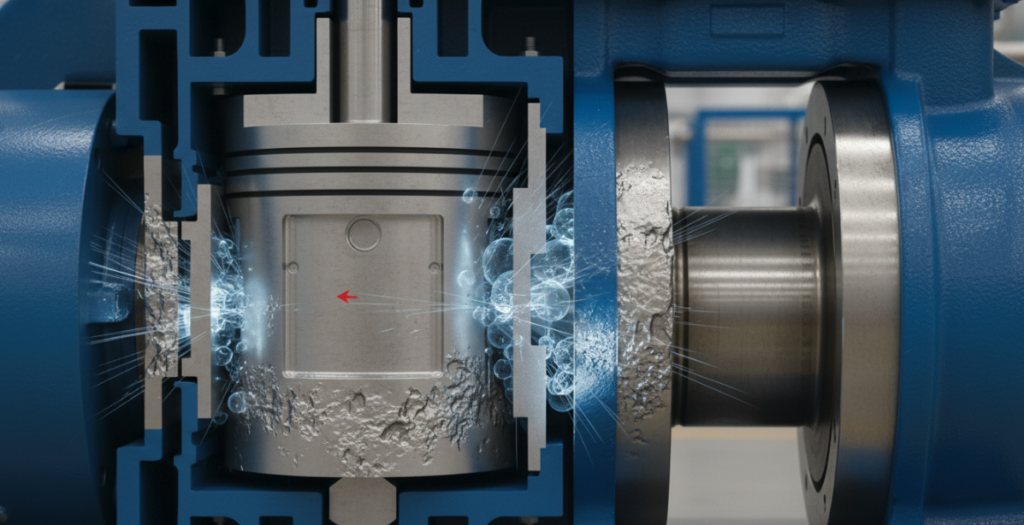
Ordinary high-flow pressure washers pump far more water than can be safely provided by ordinary low-pressure garden hose or household well water systems. In actual operation, this imbalance between supply and demand often leads to very serious consequences ——cavitation of well water pumps, that is, air enters the system and completely destroys the pump head. By switching to a low-output pressure washer, you can make the water intake of the equipment perfectly match the slow recharge speed of the water source. This not only protects the well water pump from burning out, but also effectively prevents the mobile car washer’s water tank from bottoming out too early in the middle of the flushing process.
Fluid Physics Of Nozzle Aperture And Flow Rate
When you force a small amount of water into a tighter space, the physical behavior of the water changes dramatically. By reducing the nozzle aperture , the system, while limiting the overall flow rate, causes the water flow rate to soar exponentially the moment it is ejected from the nozzle tip. This extremely high-flow water creates an extremely focused kinetic impact.
Water Resource Protection And Equipment Operation Safety
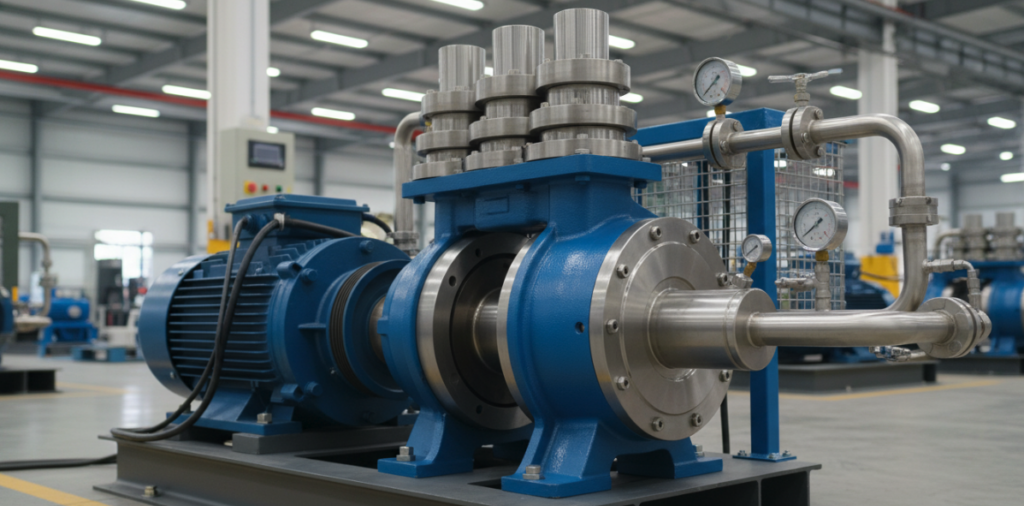
The use of low water output mode is not only to cope with strict water restriction and environmental protection compliance, but also a brilliant strategy to extend the life of cleaning equipment. By using an advanced high-pressure plunger pump and water injection system, it can ensure that the equipment can operate continuously for a long time at low flow rate without heat or pressure drop from the pump. Those commercial-grade high-pressure pumps available on their product pages are precision-engineered and fluidically designed to help you maintain a tight water budget while also maximizing the protection of the delicate components inside the pump body from dry burning and abnormal wear.