 Wingspan Tech


How Much Water Does A Power Washer Use
35Discover The Real Water Consumption Of Pressure Washers. Compare Gpm To Hoses And Learn Expert Water-Saving Tips.
View details
Search the whole station
The reason is bleach is extremely corrosive and will directly destroy the pump, seals, O-rings and hoses inside the machine. This strong chemical not only damages internal components, resulting in expensive repairs, but also causes irreversible damage to surrounding vegetation and building materials. Although bleach is a powerful disinfectant and bleach, its chemical composition is inherently incompatible with the internal mechanical structure of the high-pressure cleaner. Below, I will analyze in depth why the bleach will cause the equipment to permanently fail, and what safer alternatives you should replace it.
The primary reason why high-pressure cleaners cannot use bleach water is its high corrosion resistance. Most high-pressure pumps are made of metal alloys such as aluminum or brass, and once these metals come into contact with sodium hypochlorite (the main component of bleach water), they will produce a violent chemical reaction.
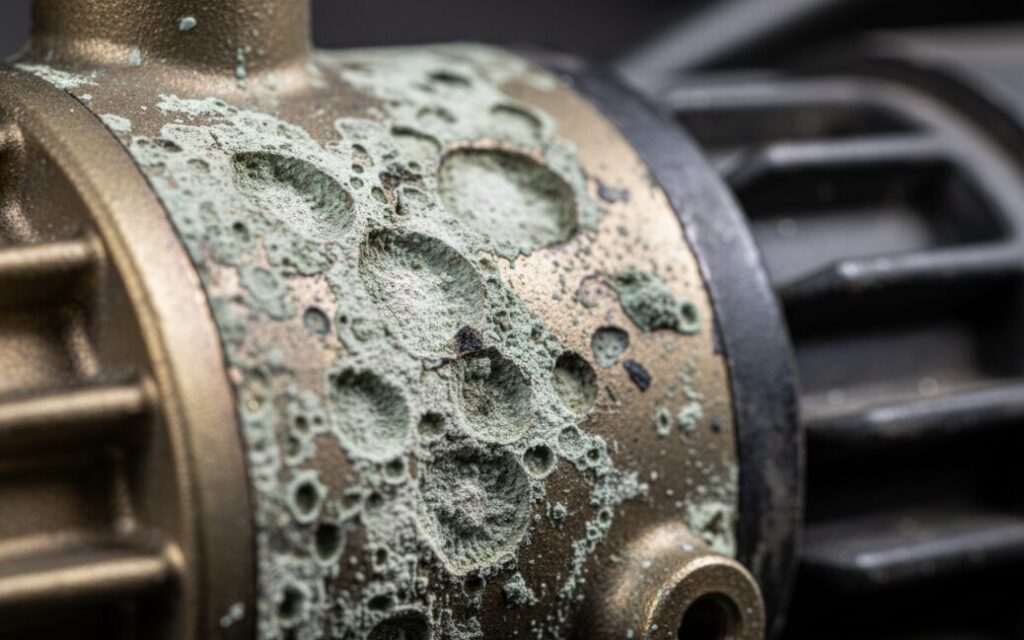
The high-pressure cleaning machine works by relying on a set of rubber seals and O-rings to create a watertight high-pressure environment. Bleach is the kind of strong alkaline substances, it is best at breaking down organic materials and polymers.
The addition of bleach to the machine is not just a matter of improper maintenance, it often leads to permanent hard injuries.
O-Series High Pressure Washer 220V
The durable ceramic pump and powerful four-stage motor provide high-performance cleaning power, with adjustable pressure, support for customized voltage and power.
380V 1500Bar Water Blaster
1450 RPM ultra-high pressure water jet pump, high cost performance, suitable for 50Hz voltage. It’s a great tool for removing rust and deburring in factories.
Diesel Power High Pressure Cleaner
The pump unit is the core component of a cleaning machine or water treatment system. Composed of a high-pressure plunger pump and an electric motor
Foam Cannon for car washing
Foam Cannon S V3.0 (Thicker Snow Foam Technology) with 1/4 Inch Quick Connector for Pressure Washer, 34 oz Bottle (V3.0 (1/4″ Quick Connector) + SOAP Sample)
As long as the bleach runs through the machine 1 times, it will start a degradation process that is difficult to reverse.
The hazards of bleach are not limited to the inside of the machine. Because the high-pressure cleaner atomizes the liquid into a fine mist, the bleach water can easily spread to areas you don’t want to clean.
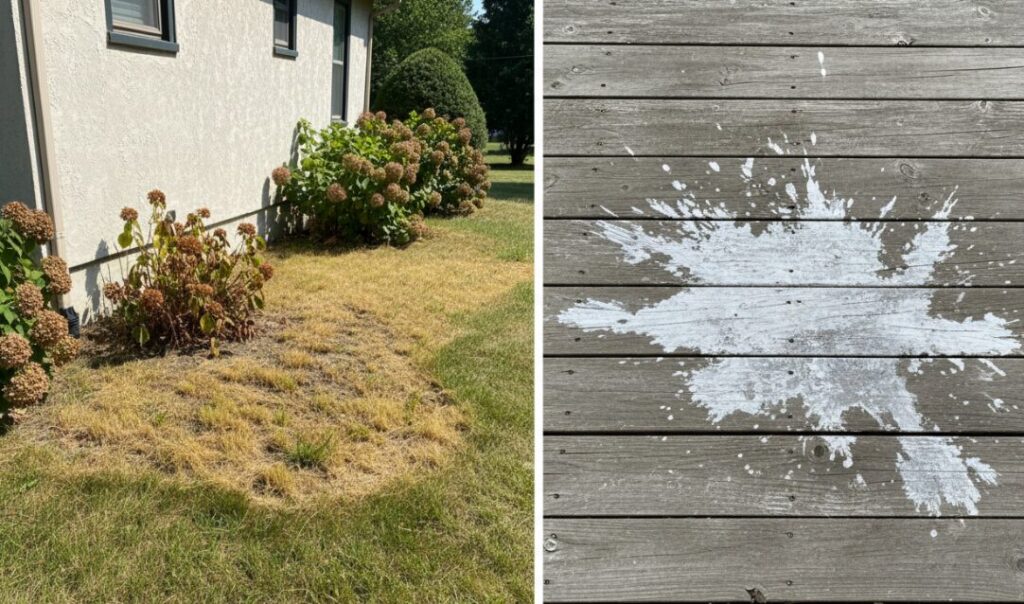
To keep your equipment long-lived and deep-clean, I strongly recommend following industry-standard recommendations:
Author: James Miller
“With years of experience in home maintenance and professional cleaning equipment, I’ve seen firsthand how easily expensive machinery can be ruined by improper use. I’m passionate about helping homeowners protect their investments by sharing technical insights on power washing safety and effective, damage-free cleaning techniques.”

Discover The Real Water Consumption Of Pressure Washers. Compare Gpm To Hoses And Learn Expert Water-Saving Tips.
View details
Discover Why A 1200-1900 PSI Electric Pressure Washer Is The Safest Choice For Your Car. Tips For A Professional Shine.
View details
Learn To Pressure Wash Synthetic Carpets Safely Using The Right PSI, Nozzles, And Essential Drying Techniques.
View details
Learn How Long House Washing Takes. Discover The 3-Stage Process And Expert Tips For A Professional DIY Finish.
View details
HelloPlease log in