 Wingspan Tech



How Much Is Pressure Cleaning
The national average price is between $150 and $450, which translates to about $0.15 to $0.40 per square foot, depending on what you’re washing. Washing a standard driveway usually costs between $100 and $250; washing the exterior walls or siding of the entire house costs around $150 to $350; washing outdoor floors and patios costs an average of $150 to $300; and washing more delicate roofs costs basically between $300 and $600. These prices depend largely on the total area to be washed, local labor costs, the height of the house and the difficulty of construction, as well as whether to use traditional physical high-pressure washing or specialized low-pressure soft washing. Although renting a DIY cleaning machine yourself for only $70 to $150 a day may seem like a money-saving measure, finding a professional team with commercial insurance, a commercial-grade high-pressure pump, and professional water jet equipment to dry it will not only wash thoroughly, but also prevent the house from being washed out and save you a large repair bill in the future.
Specific Cost Dismantling of Various Cleaning Projects
Figuring out the charging ranges for different surfaces will give owners a clear idea when budgeting. In every area of the home, the difficulty of cleaning and the number of paths are completely different, which directly determines the final quote.
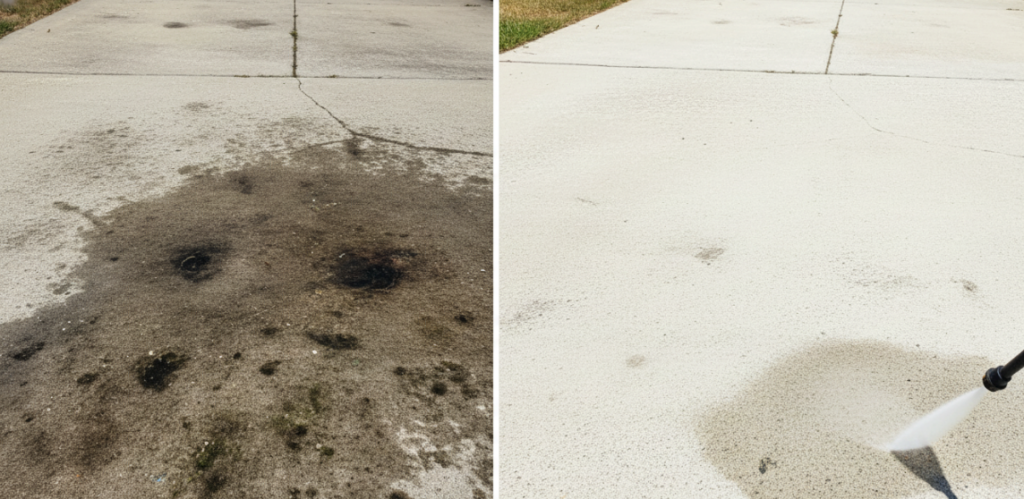
Driveway pressure washing :Driveways are basically paved with cement, asphalt or masonry. There is a problem with these materials, that is, there are many micropores on the surface, which are particularly prone to oil stains, tire marks and mold. To remove these old dirt, ordinary equipment is not enough to look at. You must use high-voltage equipment that is strong enough to flush it clean without washing away the dirt on the road.
Exterior and siding cleaning :The charge for washing exterior walls depends on the material of your home’s exterior walls. Exterior walls like PVC, wood or real stone paint, over time are covered with dust, green algae and insect webs. When washing these vertical walls, our biggest taboo is to sweep them with a high-pressure gun. It is easy to blow the siding into shape or force water into the cracks in the wall, causing mold. We all do it with a special low pressure soft wash , safety first.
Patio and outdoor floor cleaning :Whether it is a terrace made of wood, plastic wood or stone, the pressure is controlled extremely accurately when washing. Especially wood flooring, the material is very soft, the water pressure is a little higher, the wood fiber directly burrs or even cracks. We have to fine-tune the output parameters of the equipment repeatedly while working, so as to strip away the mold and dirt on the surface without damaging the structure of the wood itself.
Fine roof cleaning :Roof cleaning charges the highest fees of all projects, no way, the risks and technical requirements are there. Asphalt shingles, clay tiles or metal roofs will never withstand the direct impact of ordinary high-pressure water flow. It only takes one mistake, such as a slightly higher water pressure, to flush out the protective sand layer on the surface of the asphalt shingles, or to crack the shingles. In the end, the roof leaks and the owner has to spend a lot of money to repair it.
Several Core Variables That Determine a High-Pressure Cleaning Quote
As mentioned earlier, when we go to the site to give a free estimate to the owner. We’ll do this based on a few hard metrics.
Total area and surface material:Most regular peers charge by area, about $0.15 to $0.40 per square foot. Although the total price is definitely higher with a larger total area, the unit price will be cheaper when the area is larger.If the surface is rough and uneven, or the material is delicate and requires more special cleaning agents, the price will naturally go higher.
Local labor costs and construction difficulty:Labor costs vary from place to place, and legitimate companies have to buy all kinds of commercial insurance, which is a hard cost. The construction difficulty is also a big deal. Single-story bungalows are the easiest to wash, but for small two- or three-story Western-style buildings, or those with particularly steep roofs and narrow alleys and dense greenery next to them, we have to use professional safety ropes, extended high-pressure pipes and long-rod spray guns. These preparatory work and safety consumption must be included in the working hours.
The difference between traditional high-pressure cleaning and low-pressure soft washing:Traditional physical high-pressure cleaning usually requires a punch of 3,000 to 4,000 PSI, which is suitable for physical hard-on-hard cleaning, such as washing cement floors. Soft washing relies on environmentally friendly potions to soften and decompose mold and dirt “soaks”, and then flush them away with very weak pressure. Soft washing requires a special chemical corrosion-resistant low-pressure pump and a special fan-shaped nozzle. The equipment investment is different, and the charging fees are naturally different.
Core Technology Generation Difference
Although renting a DIY machine for $70 to $150 a day sounds like a good way to save money, the results of washing it out by thinking about it yourself are often terrible and can even easily damage your own property. Behind this is actually the huge technical generation gap between household toy-grade machines and industrial-grade professional equipment.
What are the hard injuries of rented home equipment:There’s often a big misconception about the kind of household washers you rent at a hardware store: they’re labeled with a decent pressure , but a pitifully small water output. This machine is slow and tiring to use. Because the water flow is not enough, many people subconsciously stick the nozzle very close to flush in order to flush it clean. This proximity instantly concentrated the pressure on one point, resulting in deep grooves being sown in the wood, the paint collapsing, and even washing the cement floor out of the alopecia areata.
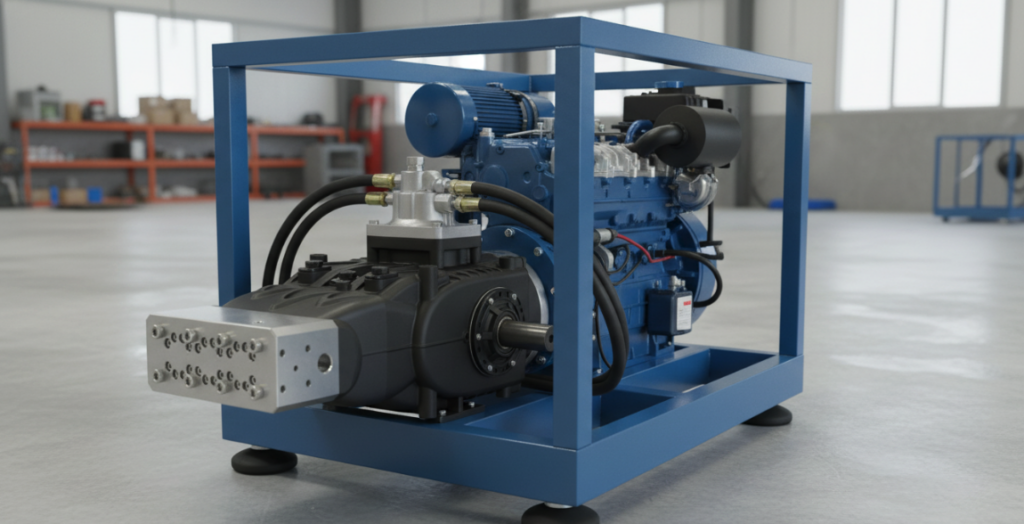
What are the advantages of professional grade high pressure water pumps:When we do this, we do everything with real money, basically all of which are professional cleaning machines with industrial-grade three-plunger pumps as the core. These pumps use solid brass or stainless steel pump heads and are paired with powerful gasoline, diesel or three-phase electric motors. Professional equipment seeks the perfect balance between “high water pressure” and “large flow rate ”. In practice, you will find that what really takes away dirt and mold spots in an instant is not the dry pressure, but the huge amount of water output. The high flow rate means that the flushing is extremely fast and also extremely safe.
Author:Marcus Vance.
I have operated everything from small residential washers to heavy-duty industrial plunger pumps. I write to demystify exterior cleaning costs and share the practical science behind water pressure, flow rates, and surface safety, helping homeowners and businesses make smart, budget-friendly maintenance decisions without getting overcharged.