 Wingspan Tech



Can You Pressure Wash an Engine Without Ruining It?
Yes, you can pressure wash an engine without ruining it by keeping the water pressure strictly below 1,500 PSI, using a 40-degree wide-angle nozzle, and maintaining a 24-inch distance from all sensitive electronics. Most car owners trigger catastrophic dashboard warning lights because they blast high-pressure water directly into sealed weather-pack connectors. I will walk you through the exact zero-damage protocol professional detailers use to safely clean modern, sensor-heavy engine bays.
The Real Risk: Water Intrusion in Weather-Pack Connectors
Engine bays are designed to be weather-resistant, not entirely waterproof. Modern vehicles feature hundreds of electrical connections sealed by small rubber gaskets, which fail immediately when hit by concentrated water pressure exceeding 2,000 PSI.
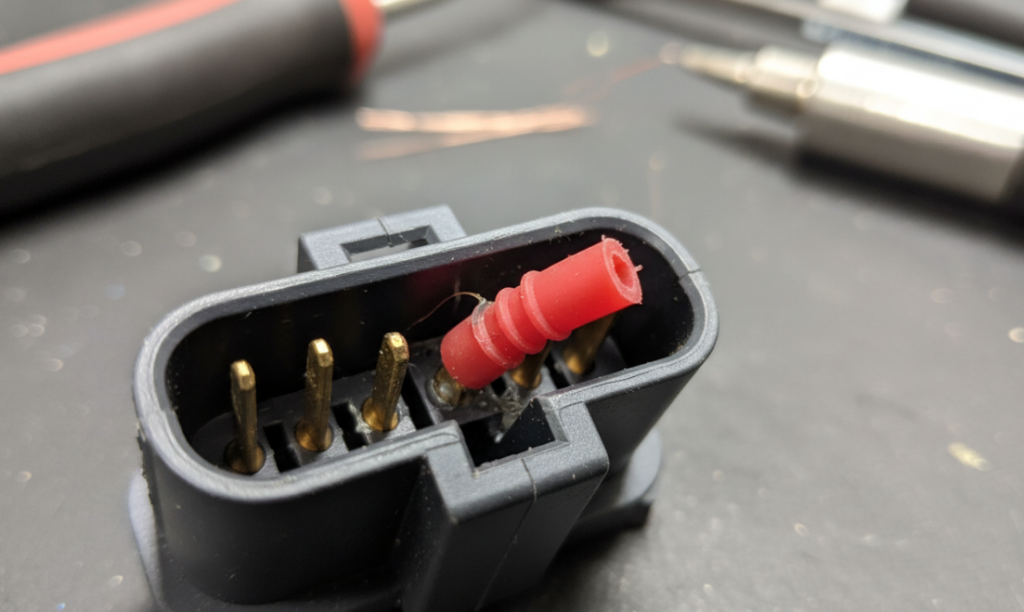
High-pressure water causes catastrophic failure by physically penetrating the alternator casing, main fuse box seals, or the Engine Control Unit (ECU) housing. Trapped water inside these sensitive weather-pack connectors rapidly corrodes the metal pins, causing immediate engine misfires, short circuits, or a completely immobilized vehicle.
The “SAFE” Engine Wash Protocol: A Zero-Damage Framework
I developed the SAFE Protocol to completely eliminate the guesswork and anxiety from car engine detailing. Executing these four sequential steps guarantees a pristine engine bay without risking a single blown fuse.
Step 1: Shield (Beyond the Plastic Bag Myth)
Covering your alternator with a thin grocery bag is amateur advice that leaves your car parts highly vulnerable to moisture. You must disconnect the negative battery terminal and physically mask off the alternator, air intake filter, fuse box, and coil packs using heavy-duty plastic sheeting secured with automotive painter’s tape. Adding a layer of dielectric grease to older, brittle electrical connectors before washing acts as a secondary hydrophobic barrier to repel stray moisture completely. This double-layer defense system prevents rogue mist from finding its way into aging wiring harnesses.
Step 2: Agitate (Chemicals Do the Heavy Lifting)
Your pressure washer functions strictly as a gentle rinsing tool, not a mechanical scrubbing device. The true secret to a spotless engine bay relies on applying a dedicated, non-caustic citrus degreaser to a cool engine and actively agitating the grime with soft-bristled detailing brushes. Letting the all-purpose cleaner dwell for three to five minutes breaks down baked-on oil and road grime at a molecular level, requiring zero high-pressure blasting later in the process.
Step 3: Flush (The 40-Degree / 24-Inch Rule)
You must swap your standard pressure washer tip for a white 40-degree nozzle to widen the spray pattern and drastically reduce the impact force. Keep the wand constantly moving, maintain a strict 24-inch distance from the engine surface, and never hover the spray over one specific component. The objective is to let the water gently sheet off the plastic cowls and metal engine block, carrying the broken-down grease safely to the ground without penetrating seals.
Step 4: Evaporate (Forced Air is Non-Negotiable)
Letting an engine air-dry naturally is a guaranteed way to allow standing water to seep deep into spark plug wells and electrical joints. You must use a high-powered leaf blower, a dedicated car dryer, or an air compressor to immediately blast standing water out of every hidden crevice. Reconnect the battery only after all visible water is entirely gone, then let the engine idle for 15 minutes with the hood closed to bake off any microscopic moisture using the engine’s natural operating heat.
Engine Bay Washing: Safe vs. Unsafe Practices
| Amateur Wash | SAFE Protocol Wash |
| High PSI | <1500 PSI |
| Red nozzle | White nozzle |
| Natural dry | Forced air dry |
| (None) | Dielectric grease |
Fatal Mistakes That Will Fry Your ECU
Washing a hot engine causes rapid thermal shock, which instantly cracks exhaust manifolds and warps plastic intake components. Never spray cold water onto an engine block immediately after driving. Let the vehicle sit for at least two hours until the metal parts are merely warm to the touch.
Blasting the foam hood liner directly shreds the fibrous material instantly. High water pressure disintegrates the acoustic and fire-retardant padding mounted under your hood, leaving a messy, permanent scar that ruins the aesthetic appeal of your engine bay. Wipe this sensitive area down manually with a damp microfiber towel instead.
Applying harsh industrial degreasers strips the clear protective coatings right off your bare aluminum engine parts. Stick exclusively to automotive-specific all-purpose cleaners diluted to the manufacturer’s exact specifications to avoid leaving white, chalky oxidation spots on your engine block and intake manifold.
The Next-Gen Alternative: Dry Ice Engine Detailing
Dry ice blasting completely eliminates the risk of water damage for owners of high-end, vintage, or heavily modified vehicles. This cutting-edge detailing method shoots solid CO2 pellets at high speeds to freeze and shatter surface grease. The dry ice instantly sublimates into harmless gas upon impact, leaving a bone-dry, spotless engine bay without introducing a single drop of liquid. A professional dry ice session costs upwards of $200, making it significantly more expensive than DIY pressure washing, but it delivers absolute zero-risk peace of mind for rare or highly sensitive engine components.
FAQ
Q: Do I need to leave the engine running while pressure washing?
No, you should never pressure wash a running engine. Doing so sucks moisture directly into the engine’s air intake and exposes active, live electrical components to water, causing immediate catastrophic failure to the ignition system.
Q: What PSI is safe for washing a car engine?
Keep your pressure washer strictly below 1,500 PSI. Use a wide fan tip, specifically the 40-degree white nozzle, to ensure the water merely mists and rinses the surface rather than striking components with destructive mechanical force.
Q: Can I spray my alternator with water?
Spraying an alternator directly ruins the internal voltage regulator and corrodes the copper windings. Always cover the alternator securely with thick plastic and tape before introducing any water or degreaser to the engine bay.
Q: How long should I wait for my engine to cool before washing?
Let the car sit for at least two hours if it has reached full operating temperature. You want the engine block to be warm to the touch, not blistering hot, to prevent chemical flash-drying and severe metal thermal shock.
Q: Will a car wash engine bay cleaner void my warranty?
Dealerships routinely void warranty claims on electrical components if they find explicit evidence of water intrusion caused by high-pressure washing. Adhering to strict low-pressure rinsing, masking sensitive parts, and using forced air drying prevents any tell-tale signs of negligence.
Q: Should I wash the engine bay before or after washing the car?
Always wash the engine bay first. Cleaning the engine heavily splashes dirty grease, oil, and degreasers onto your exterior fenders and windshield. Washing the engine first allows you to clean off any overspray easily when you wash the rest of the exterior paint.