 Wingspan Tech


Affordable Pressure Washer: Compare Total Cost Before Price
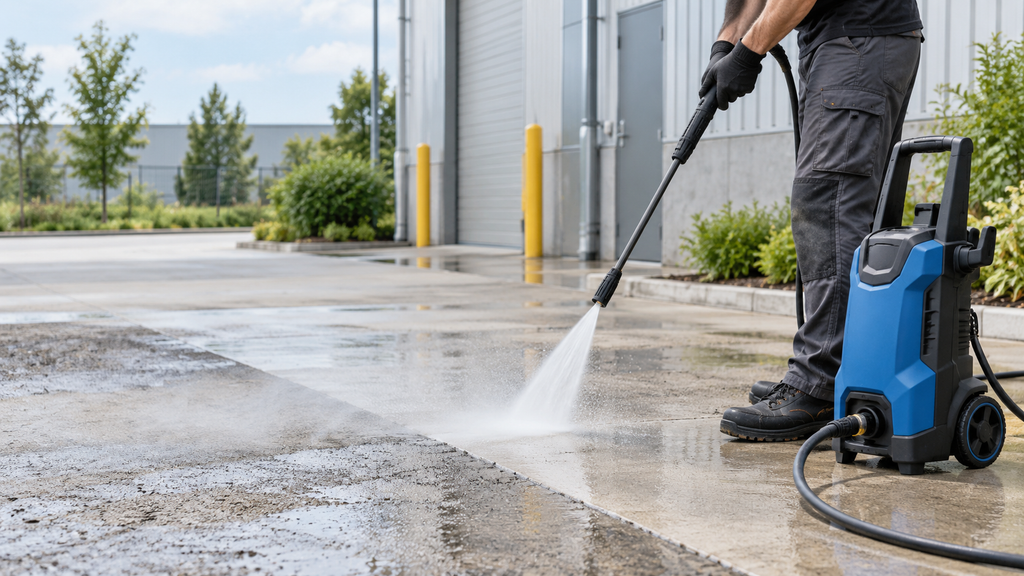
When choosing an affordable pressure washer, look beyond the lowest price on the product page. The purchase only makes sense if the machine can handle your cleaning task and its accessories, installation, operating costs, and maintenance fit your budget. A low initial price can lose its appeal if you need to buy missing parts or replace equipment that cannot do the job.
Start by Defining the Cleaning Task
Before comparing models, identify the surface to be cleaned, the type of dirt, how often you will use the machine, and how long each continuous session will last. Consider the area to be covered, mobility requirements, and the available power and water supply.
For occasional cleaning over a small area, compact size, easy storage, and simple maintenance may matter more than the highest output. For frequent or long operating periods, pay closer attention to pump construction, thermal management, spare parts, and repair arrangements.
Once the task is clear, determine the pressure and flow needed. Pressure affects the impact and removal of dirt. Flow affects rinsing and the ability to carry loosened dirt away. A machine with higher pressure but lower flow can perform differently from one with lower pressure and higher flow, so a pressure number alone cannot tell you which offers better value.
Check How Pressure and Flow Are Measured
Maximum pressure, rated pressure, working pressure, and peak pressure may describe different measurements. Flow should also be read alongside the pressure used for the test. If a listing gives maximum pressure and maximum flow separately, do not assume both values are achieved at the same operating point.
For a useful comparison, request pressure and flow data from the same operating point. Check the nozzle configuration, continuous operating capability, power or fuel requirement, and compatibility with the site’s power and water supply. If a seller cannot provide same-point data, clear electrical specifications, or a verifiable test method, treat those figures as unverified rather than using them to rank machines.
Calculate the Full Purchase Cost
The initial budget should include the machine, required nozzles, hose, adapters, filters, surface-cleaning attachments, detergent equipment, protective equipment, shipping, taxes, and any necessary circuit modifications.
Wall-mounted, trailer-mounted, vehicle-mounted, and hot-water systems may also require installation, plumbing, a tank, electrical work, fuel arrangements, exhaust, drainage, and commissioning. Include these items before comparing a complete system with a lower-priced machine sold on its own.
A bundle is not automatically cheaper. Compare the exact accessory models, quantities, ratings, and separate purchase prices. An unused or incompatible accessory adds little value. If you plan to reuse existing attachments through adapters, include the adapter price, interface compatibility, and ratings in the calculation.
Include Operating and Maintenance Costs
Ongoing costs include water, electricity, fuel, detergent, oil, filters, nozzles, hoses, and other consumables. Maintenance may also involve service labor, transport, repairs, spare parts, downtime, and temporary replacement equipment.
For infrequent use, purchase price and storage convenience may carry more weight. For frequent or prolonged use, repair access and parts availability deserve closer attention. Compare these costs against your expected workload rather than assuming the cheapest machine will remain the cheapest to own.
If flow, continuous operating capability, accessory ratings, and test conditions are unclear, one pressure figure cannot support a reliable purchase ranking. Put the verifiable specifications beside the actual task requirements in your comparison.
Put Safety and Service into the Comparison
Check rated pressure, flow at the same operating point, power or fuel requirements, pump type, hose length, connections, nozzles, warranty, and spare parts. Also review recall information, electrical protection, accessory ratings, and the complete operating manual.
For fuel-powered equipment, address carbon-monoxide risk when considering a site indoors or near buildings. For electric equipment, check supply compatibility and shock-protection requirements. Price should be compared only after the equipment’s suitability for the site is established.
A warranty’s value depends on more than its duration. Read the coverage, deductibles or service fees, transport responsibilities, service provider details, and repair process. These terms determine how useful the warranty will be when service is needed.
Use a Clear Buying Order
First eliminate unsafe or incompatible options. Then confirm cleaning capability, check interfaces and accessories, compare total cost, and review warranty and recall information. This order helps you choose an affordable pressure washer whose specifications and ownership costs match the work you actually need to do.