 Wingspan Tech


Can You Power Wash Epoxy Garage Floor
20Safely Power Wash Epoxy Floors With Pro Tips On 1,500 PSI Settings, Nozzle Choices, And Avoiding Peeling Or Damage.
View details
Search the whole station
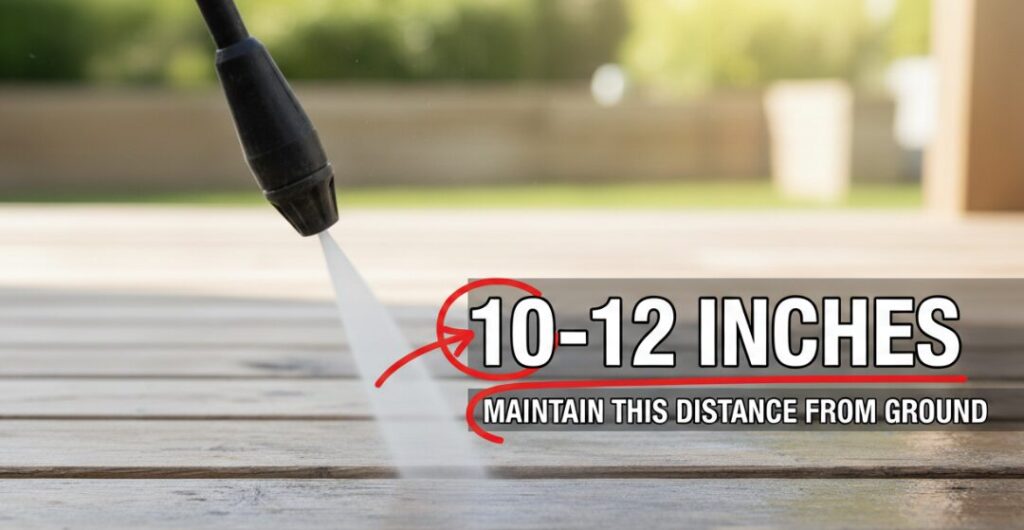
For most decks made of wood or synthetic materials, please control the pressure of the pressure washer in the range of 1,200 to 2,500 PSI. This is strong enough to remove dirt, mold and old dirt without ruining your deck surface. It is usually recommended to use a 25-degree (green) or 40-degree (white) nozzle to avoid cracking or etching marks in the wood. When operating, first turn down the pressure and keep the gun head (Wand) 10 to 12 inches from the surface.
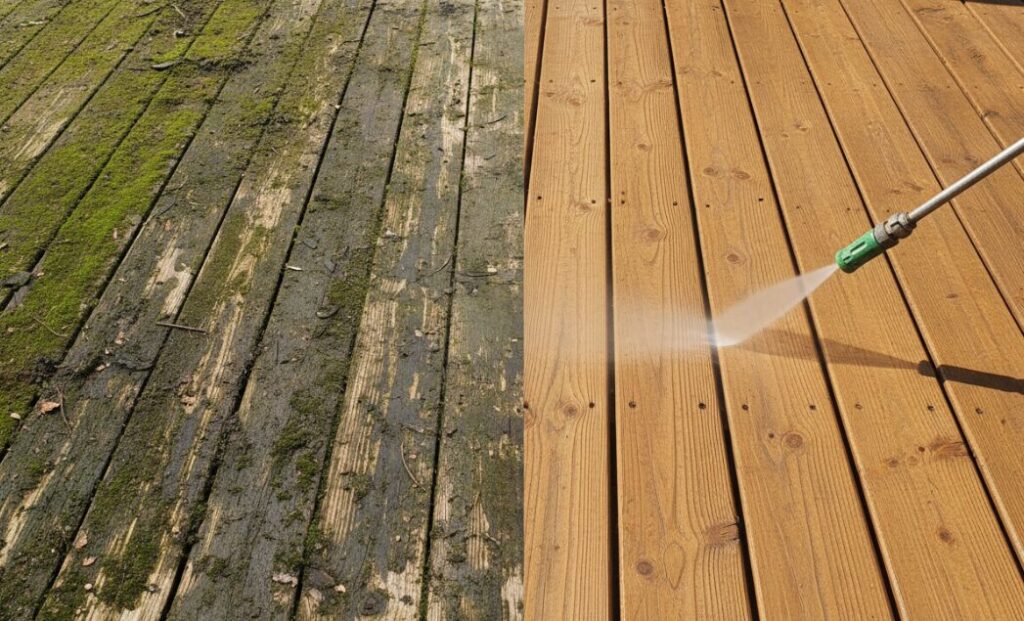
Material is the only decisive factor when deciding how much PSI to use to clean the deck.
For natural wood, such as preserved pine, cedar or mahogany ,1,500 to 2,000 PSI is optimal. The impact of this range is enough to peel off the gray oxide layer and algae, but gentle enough to preserve the integrity of the wood fiber.
O-Series High Pressure Washer 220V
The durable ceramic pump and powerful four-stage motor provide high-performance cleaning power, with adjustable pressure, support for customized voltage and power.
380V 1500Bar Water Blaster
1450 RPM ultra-high pressure water jet pump, high cost performance, suitable for 50Hz voltage. It’s a great tool for removing rust and deburring in factories.
Diesel Power High Pressure Cleaner
The pump unit is the core component of a cleaning machine or water treatment system. Composed of a high-pressure plunger pump and an electric motor
Foam Cannon for car washing
Foam Cannon S V3.0 (Thicker Snow Foam Technology) with 1/4 Inch Quick Connector for Pressure Washer, 34 oz Bottle (V3.0 (1/4″ Quick Connector) + SOAP Sample)
Synthetic decks require a more gentle approach. Such materials are usually coated with a plastic or polymer shell. If the PSI is too high, it is easy to etch this “protective skin”, leaving a permanent mark. For synthetic materials, the target is locked in the low pressure area of 1,200 to 1,500 PSI. This is enough to wash off the surface of the floating soil without damaging the protective coating of the deck.
Just turning the PSI knob on the machine is only half the battle, and the nozzle determines how these pressures hit the surface. Different colored nozzles represent different levels of security.
Tip: Never use red (0 degrees) or yellow (15 degrees) nozzles on the deck. The water flow of these nozzles is too concentrated, and almost 100% will cut deep trenches in the wood, or directly peel off the veneer of the synthetic board.
Even if you pick the right PSI and nozzles, bad modus operandi can still ruin a deck. Although the machine setting does not exceed 2,500 PSI, if you put the gun head too close, the effect is no different from high-pressure damage.
If you want to wash the deck professionally and safely, the secret is to rely on chemical reactions, not on the brute force of water pressure. It is important to spray a special wood cleaner or deck cleaning fluid before pulling the trigger of the water gun. Let the chemical solution break down the mold, moss and dirt embedded in the texture first. Once the dirt is loosened, the pressure washer is essentially just an efficient flushing tool. This strategy allows you to clean even if you use the lower end of the recommended range (1,200-1,500 PSI), greatly reducing the risk of damaging the deck, and the effect is more like that.
Author: Mark Harrison
“With over 17 years of experience in exterior home maintenance and pressure washing, I specialize in helping homeowners restore their properties safely. I hope to guide you through the technical details of PSI and nozzle selection so you can clean your deck effectively without causing costly damage.”
Safely Power Wash Epoxy Floors With Pro Tips On 1,500 PSI Settings, Nozzle Choices, And Avoiding Peeling Or Damage.
View details
Wait 24-48 Hours After Power Washing Before Painting. Ensure Moisture Is Below 15% To Prevent Blistering And Peeling.
View details
Discover Why Power Washing A House Is Vital For Curb Appeal, Health, And Preventing Costly Structural Damage.
View details
Need A Pressure Washer For Your Foam Cannon? Learn Why High Pressure Is Essential For Thick, Scratch-Free Car Wash Foam.
View details
HelloPlease log in