
 Wingspan Tech


How To Hook Up A Power Washer
To safely connect the high-pressure washer without damaging the pump, first, flush your garden hose thoroughly to remove debris, and then connect it tightly to the water inlet of the machine. Next, connect the high-pressure pipe to the outlet of the machine and the spray gun. The most critical point is to fully open the faucet and hold the trigger of the spray gun for 30 to 60 seconds to completely exhaust all the air in the system. Only when the water flow is stable and the intermittent injection is no longer “cough and asthma”, can you plug in the power supply (electric model) or pull the starting rope (fuel model) to start cleaning.
This video explains how to set up and start a power washer:
Step 1: Rinse The Garden Hose And Connect The Water Inlet
Take care of the water before you even touch the washer. The first step must be to flush your garden hose.
Flush the hose against the open ground with boiling water for a few seconds. This ensures that the pipes are washed clean of sediment, bugs or aged water. If these dirty things into the cleaning machine, either block the internal filter, or directly damage the pump valve.
After the water flow is clear, turn off the water and connect the hose to the water inlet of the machine. This is usually a standard garden tube interface on the pump. Be sure to tighten it to prevent water leakage, or the pressure will not go up later. But here is an experience: be careful not to twist the crooked (slippery thread), especially if the water inlet is made of plastic, it is very fragile, once the slippery thread is in trouble.
Step 2: Assemble The High Pressure Tube And Spray Gun
The water source has been connected (note: no pressure has been applied at this time), and the high-pressure components will now be processed. Find the outlet of the machine – usually a brass thread or quick connector, which looks significantly different from the inlet just now.
- Connect the machine end: connect one end of the high-pressure pipe to the water outlet of the machine.
- Connect the spray gun end: connect the other end to the handle spray gun.
- Check the connection: After receiving it, I used to gently drag both ends to make sure it was stuck. Once the machine is started, it is dangerous to throw loose high-pressure pipes.
O-Series High Pressure Washer 220V
The durable ceramic pump and powerful four-stage motor provide high-performance cleaning power, with adjustable pressure, support for customized voltage and power.
380V 1500Bar Water Blaster
1450 RPM ultra-high pressure water jet pump, high cost performance, suitable for 50Hz voltage. It’s a great tool for removing rust and deburring in factories.
Diesel Power High Pressure Cleaner
The pump unit is the core component of a cleaning machine or water treatment system. Composed of a high-pressure plunger pump and an electric motor
Foam Cannon for car washing
Foam Cannon S V3.0 (Thicker Snow Foam Technology) with 1/4 Inch Quick Connector for Pressure Washer, 34 oz Bottle (V3.0 (1/4″ Quick Connector) + SOAP Sample)
Step 3: Exhaust
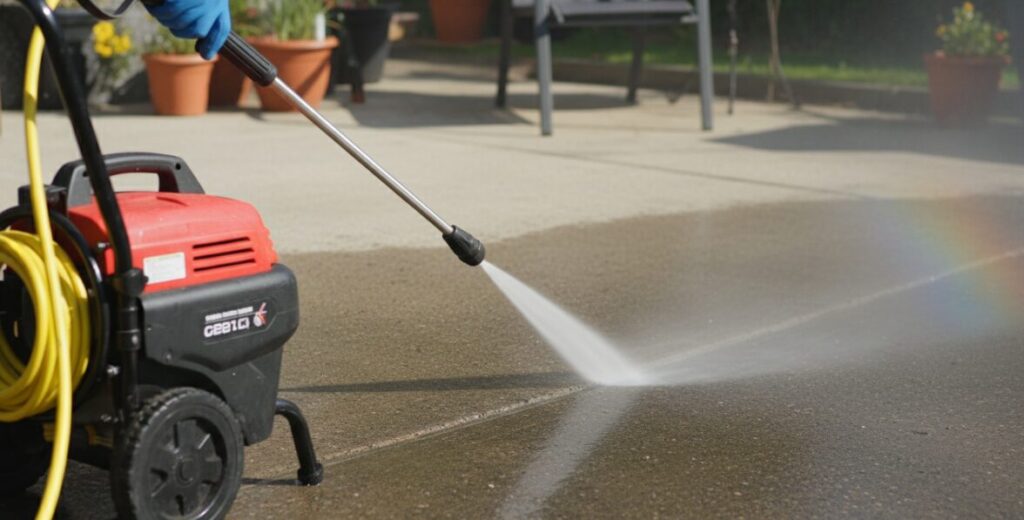
This is the easiest step for novices to skip, and it is also a common cause of direct scrapping of the pump. Before powering the motor or engine, you must “prime” the pump “.
- Boil water: turn the faucet at home to the maximum.
- Pull the trigger: The muzzle is pointed at the safe area and the trigger is pulled.
- Wait 30-60 seconds: You will hear the hiss of the exhaust and see the water spout intermittently.
Don’t let go, keep buckling. You’re pushing water through the pump body, forcing out all the trapped bubbles. If there is air in the pump, it will cause “cavitation” – the kind of violent tiny bubbles that will burst and damage the internal parts of the pump. It is not until the water flow becomes a stable solid line and no more random spray that the system is completely ready.
Step 4: Start The Device
It is only safe to turn on the machine when you have established a steady flow of water. It depends on your device type:
- Electric cleaning machine: dry your hands, insert the plug into a grounded socket (preferably with leakage protection GFCI), and then press the “On” switch.
- Fuel washer: Keep the water flowing (or just release the trigger to operate immediately), open the choke, pull the rope to start the engine, and then adjust the throttle.
Why It Must Be In This Order
The core of the design of the above process is to prevent “dry burning”, which is recognized as the first reason for the failure of high-pressure cleaners in the industry.
The so-called dry burning means that the motor or engine is idling with the plunger of the pump, and there is no water for cooling and lubrication. Even if only a short time, the huge heat and friction generated can instantly burn the seal ring, and even the ceramic plunger to dry. By ensuring that water has flowed through the entire system before you turn it on, you are actually ensuring that the pump is lubricated and protected from the first second of operation.
Author: Mark Harrison
I’m a certified outdoor power equipment specialist with over 14 years of field experience. After witnessing countless pressure washer pumps fail due to “running dry,” I’ve made it my mission to teach homeowners the correct setup protocols.