
 Wingspan Tech


How To Change Oil In A Power Washer
To change the oil of the high-pressure washer smoothly, you must first find out whether you are maintaining the engine or the water pump. The oil used in the two is completely different. Before starting work, let the machine warm up for two minutes, dilute the old oil, and then immediately unplug the spark plug connection to ensure safety. Put an oil pan under it and unscrew the oil drain bolt (if your machine doesn’t have this stuff, tilt the whole machine directly and pour it out) to drain the waste oil completely. Plug back the bolts, plug in the funnel, and refill the fuel tank-remember, the engine uses fresh oil, and the water pump must use special non-detergent water pump oil. Finally, check the dipstick to make sure the liquid level is just right. Don’t add more. Wipe off the splashed oil and tighten the oil cover.
If you want to see more detailed disassembly steps of this maintenance process, read on. I’ll talk about the key points mentioned above.
Step 1: First Figure Out Which Part You Want To Maintain (Engine vs. Water Pump)
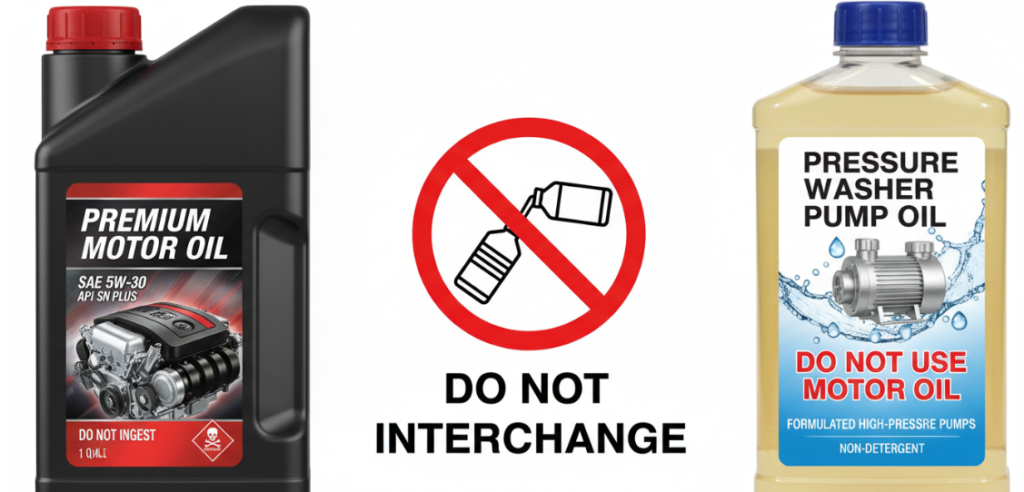
Understanding the construction of your machine is the most critical step before going to get the wrench. You must be clear, the oil change in the end is the engine oil, or pump oil? This difference can be too big, because they use lubricating oil completely do not communicate. The engine and the water pump require very different fluids to function properly. Mixing the two or adding the wrong oil into any chamber will cause fatal damage to the machine. So, take the time to find the exact tank you plan to maintain today.
Step 2: Heat The Engine To Thin The Old Oil
After finding the right tank, you have to make some preparations for draining oil. Start your pressure washer and let the machine run for exactly two minutes. The cold engine oil is thick and sticky, with sludge. It usually hangs on the inner wall of the engine or water pump. If you drain the oil directly, you can’t put it clean. Let the machine run for a little while, and the heat will melt the old oil away. In this way, the oil discharge process will be much smoother, faster, and as much dirt as possible.
O-Series High Pressure Washer 220V
The durable ceramic pump and powerful four-stage motor provide high-performance cleaning power, with adjustable pressure, support for customized voltage and power.
380V 1500Bar Water Blaster
1450 RPM ultra-high pressure water jet pump, high cost performance, suitable for 50Hz voltage. It’s a great tool for removing rust and deburring in factories.
Diesel Power High Pressure Cleaner
The pump unit is the core component of a cleaning machine or water treatment system. Composed of a high-pressure plunger pump and an electric motor
Foam Cannon for car washing
Foam Cannon S V3.0 (Thicker Snow Foam Technology) with 1/4 Inch Quick Connector for Pressure Washer, 34 oz Bottle (V3.0 (1/4″ Quick Connector) + SOAP Sample)
Step 3: For Safety, Pull Out The Spark Plug Immediately
As soon as the two-minute warm-up is over, turn off the machine, and safety is the absolute focus at this time. Before you get your hands close to any moving parts or oil drain bolts, immediately locate the spark plug connection and unplug it. It can directly cut off the risk of the high-pressure washer accidentally starting or ignition while you are working. You certainly don’t want the machine to turn suddenly when you drain the oil, do you? Disconnect it and you’ll be completely safe.
Step 4: Drain The Waste Oil Thoroughly
After confirming that the machine is completely paralyzed, you can start pumping waste liquid. Follow the following actions:
Pad a drain pan: Put a suitable drain pan directly below the drain area to catch dirty liquid and protect your workplace by the way.
Remove bolts or tilt the machine: If your machine has a drain bolt, just take a wrench and unscrew it. But I found that many models now do not have traditional drain plugs at all. If you don’t have one, then you have to be careful, tilt the whole machine and pour the waste oil directly from the filler port.
Let it flow slowly: Be patient and let the waste oil drip thoroughly into the plate. Don’t be too slow at the moment, if you hurry to call it a day, the old and deteriorated dirty oil will remain in the machine.
Step 5: Fill The Correct New Oil
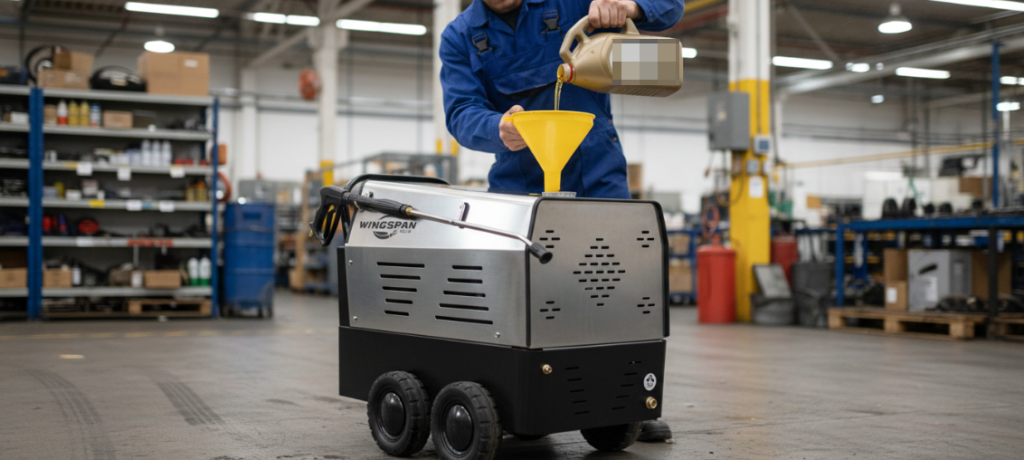
When the fuel tank is completely empty, you can add new liquid. First of all, if you have just removed the drain plug, turn it back quickly and make sure it is firm, otherwise the new liquid will leak directly to the ground later. Next, insert a clean funnel into the fuel filler to prevent it from pouring everywhere.
In the case of the engine: use high-quality fresh engine oil.
If it is a pump: you must use a specific non-detergent pump oil. You should know that the detergent in the oil will make a lot of foam inside the high-pressure water pump, so it is a hard requirement to knock out the formula without detergent.
Step 6: Check The Capacity, Clean The Site And Tighten The Cover
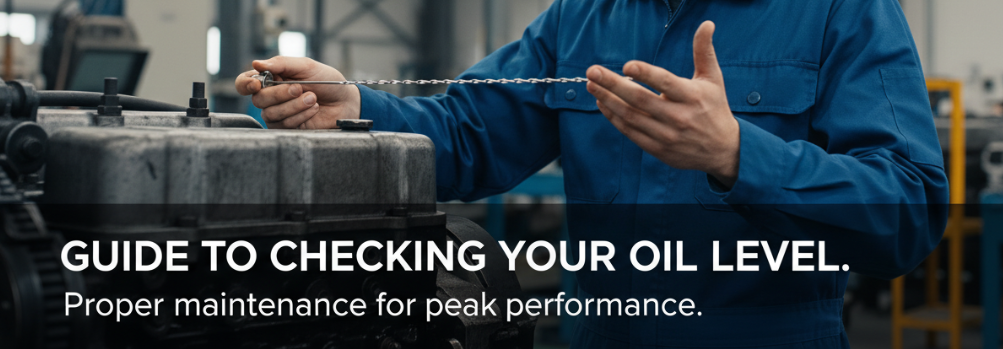
The final stage of the oil change requires some precision, plus a quick sweep of the battlefield:
Look at the dipstick: When pouring new oil, pull out the dipstick frequently. You need to make sure that the liquid level just meets the standard capacity scale.
Don’t add more: this is extremely important, never fill the tank too full. Too much oil will often lead to exhaust smoke, oil leakage, or excessive internal pressure to directly suppress the machine.
Wipe off spills: Take a clean rag and wipe off all the oil droplets accidentally splashed on the machine casing. The remaining engine oil is not only easy to slip when you step on it, but also emits a burning smell when the machine heats up.
Tighten the cap: Finally, put the oil filler cap back into the fuel tank and tighten it tightly.
By doing this step by step, your high-pressure washer will be properly lubricated and ready to cope with the next tough cleanup.
Author: David Carter
Hi, I’m a small engine specialist and DIY enthusiast with over 10 years of hands-on experience in maintaining outdoor power equipment. Throughout my career, I’ve repaired and serviced countless power washers. I know firsthand that simple maintenance—like understanding the exact difference between engine oil and non-detergent pump oil—can save your machine from costly breakdowns.