
 Wingspan Tech


Check Valve: Essential Guide for Atlas
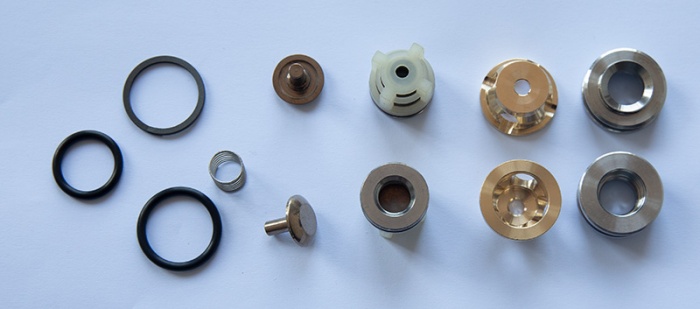
1. Materials of Check Valve
Common materials for check valves include brass, stainless steel, and plastic. Brass valves are cost-effective and suitable for general water or air systems. Stainless steel valves have excellent corrosion resistance, making them ideal for harsh environments like chemical processing or high-temperature applications. Plastic valves are lightweight and corrosion-resistant, often used in low-pressure, non-toxic fluid systems.
2. Working Principle
The check valve operates based on the pressure difference of the fluid. When the fluid flows in the desired direction, its pressure pushes the valve core open, allowing the fluid to pass through smoothly. When the fluid attempts to flow backward, the reverse pressure pushes the valve core tightly against the valve seat, closing the passage and preventing backflow. It is a self-acting valve that requires no external power source.
3. Main Functions
The primary function of a check valve is to prevent reverse flow of fluid in a pipeline. This protects equipment (such as pumps) from damage caused by backflow. Additionally, it helps maintain stable pressure in the system, ensuring the normal operation of other components. In some cases, it can also act as a safety device to avoid potential hazards from fluid backflow.
4. Importance of Maintenance
Regular maintenance of check valves is crucial for ensuring their reliable operation. Over time, valve seats and cores may wear, or debris may accumulate, leading to leakage or poor sealing. Routine checks (e.g., inspecting for leaks, cleaning internal components) and timely replacement of worn parts can extend the valve’s service life, reduce downtime of the entire system, and lower maintenance costs in the long run.