 Wingspan Tech


Can A Power Washer Get Wet
124Partial Yes: Hoses Can Get Wet, But Motors Must Stay Dry. Learn Why Rain Risks Electric Shock And Engine Failure.
View details
Search the whole station
Absolutely not. Never start a pressure washer without a continuous water supply.
Letting a machine “dry run”-even for as little as 30 seconds-can cause catastrophic, often irreversible damage to internal components. In high-pressure cleaners, the role of water is not only used to spray dirt, it is the pump head seal and plunger of the key coolant and lubricant. If there is no water flow, the friction generated by the high-speed movement of the piston will produce intense heat, which will quickly melt the rubber sealing ring and even crack the ceramic plunger, which will eventually lead to the complete scrapping of the entire pump body. In order to avoid expensive repairs or invalidation of the warranty, you must ensure that the hose is fully connected and the water source is turned on before you pull the start cord or press the power switch.
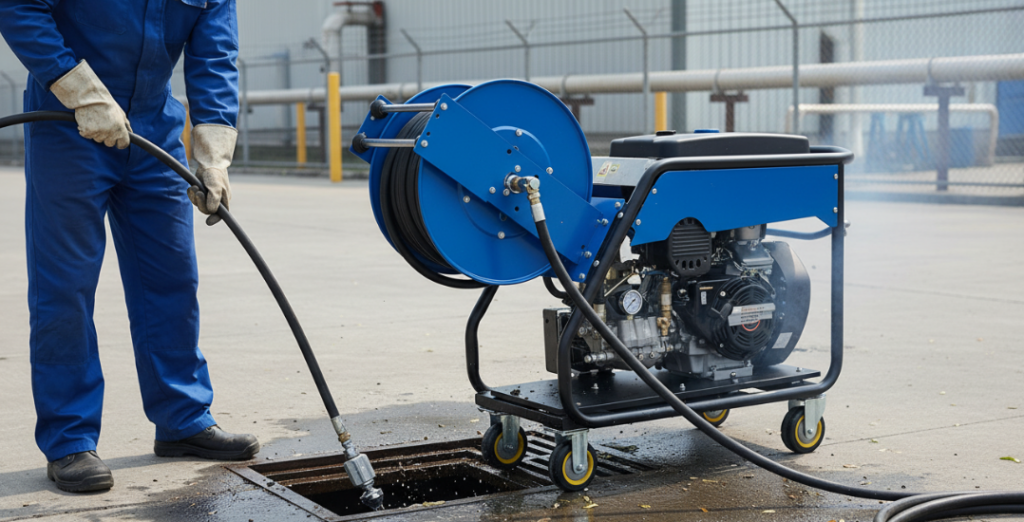
To understand why dry rotation is so dangerous, you have to look at the internal structure of the pump head of the high-pressure washer. Most high-performance machines use a triplex pump or an axial cam pump. These pumps rely on ceramic or metal plungers that reciprocate at high speeds of thousands of revolutions per minute.
In this high-friction environment, water plays two irreplaceable roles:
Once water is lacking, friction can cause the internal temperature to soar within seconds. Without the cooling characteristics of water, the pump head effectively becomes a “thermal factory”, causing rapid component degradation.
Many users feel that it doesn’t matter to turn twice just to try the engine without connecting the water pipe. The damage started almost instantly. The following is a timeline of the inside of the dry turning pump head:
O-Series High Pressure Washer 220V
The durable ceramic pump and powerful four-stage motor provide high-performance cleaning power, with adjustable pressure, support for customized voltage and power.
380V 1500Bar Water Blaster
1450 RPM ultra-high pressure water jet pump, high cost performance, suitable for 50Hz voltage. It’s a great tool for removing rust and deburring in factories.
Diesel Power High Pressure Cleaner
The pump unit is the core component of a cleaning machine or water treatment system. Composed of a high-pressure plunger pump and an electric motor
Foam Cannon for car washing
Foam Cannon S V3.0 (Thicker Snow Foam Technology) with 1/4 Inch Quick Connector for Pressure Washer, 34 oz Bottle (V3.0 (1/4″ Quick Connector) + SOAP Sample)
The pump head of a high-pressure washer is the most expensive part of the whole machine, usually accounting for 50% to 70% of the cost of the whole machine. If you run without water, you will face more than simple minor repairs.
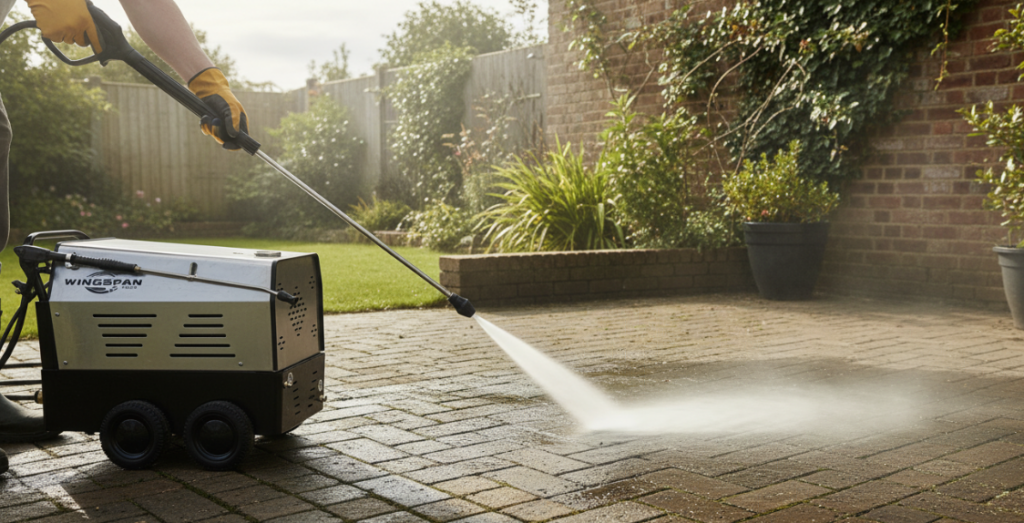
In order to protect your investment and ensure that the machine will last for several more years, please be sure to follow this strict pre-start checklist:
Author: Robert Dawson
“Hi, With over a decade of experience repairing and maintaining high-pressure cleaning systems, I’ve seen firsthand how easily a small oversight can lead to a total pump failure. My mission is to share technical insights—from internal seal mechanics to proper startup checklists—to help you protect your investment and keep your machine running for years. I believe that understanding the ‘why’ behind the tool is the best way to prevent costly repairs.”
Partial Yes: Hoses Can Get Wet, But Motors Must Stay Dry. Learn Why Rain Risks Electric Shock And Engine Failure.
View details
Can Pressure Washing Ruin Concrete? Yes! Learn Pro Tips To Safely Clean Your Driveway, Ideal PSI, And Nozzles To Avoid.
View details
Bleach Ruins Power Washer Pumps And Seals. Learn Why It’S Dangerous And Find Safe Cleaning Alternatives Here.
View details
Master How To Operate A Power Washer With Our 5-Step Guide. Learn Nozzle Choice, Purging, And Expert Cleaning Tips.
View details
HelloPlease log in