 Wingspan Tech


How Long After Power Washing Can You Paint
119Wait 24-48 Hours After Power Washing Before Painting. Ensure Moisture Is Below 15% To Prevent Blistering And Peeling.
View details
Search the whole station
The answer is yes. But you must stick to a rule-you can only turn on the machine when the ambient temperature and the surface temperature of the object reach 35 °F to 40 °F (about 2°C to 4°C) and continue to rise.
Although you can work in cold weather, cleaning near or below freezing (32 °F) is purely a risk to your machine and safety. Light water pump scrap, heavy let your driveway and corridor instantly covered with “black ice”. To operate safely, you have to keep an eye on the drainage system to prevent freezing, choose the warmest and most sunny time of the day, and immediately drain the water from the equipment or add antifreeze. Although washing off the corrosive snow melting salt and calcium chloride is essential to protect the exterior walls and the ground, if the weather forecast says that the temperature will drop below freezing within 4 to 6 hours after washing, I suggest you stop first.
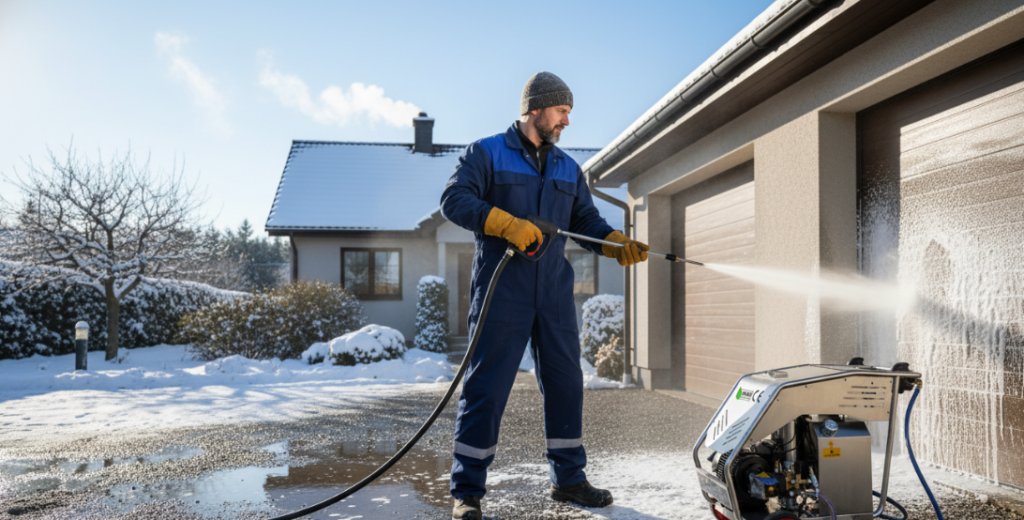
The temperature is the most critical indicator for your winter work.
In propriate temperature range, the water can remain liquid long enough for you to drive it from the surface into the drain. If you have to wash it while wandering around the freezing point (32 °F), cold concrete or exterior wall panels have their own “cold storage” effect, and “instantaneous icing” often occurs when high-pressure water is sprayed. Before starting work, be sure to make sure that the temperature is going uphill, not falling.
Operating a pressure washer in severe cold conditions is risky for both the machine and people.
The pump of the pressure washer is extremely sensitive to the expansion force of ice. As long as a little water remains in the pump body or manifold, once it freezes, the expansion pressure can directly break the internal components. Either it cost a lot of money to repair or the whole machine was scrapped.
O-Series High Pressure Washer 220V
The durable ceramic pump and powerful four-stage motor provide high-performance cleaning power, with adjustable pressure, support for customized voltage and power.
380V 1500Bar Water Blaster
1450 RPM ultra-high pressure water jet pump, high cost performance, suitable for 50Hz voltage. It’s a great tool for removing rust and deburring in factories.
Diesel Power High Pressure Cleaner
The pump unit is the core component of a cleaning machine or water treatment system. Composed of a high-pressure plunger pump and an electric motor
Foam Cannon for car washing
Foam Cannon S V3.0 (Thicker Snow Foam Technology) with 1/4 Inch Quick Connector for Pressure Washer, 34 oz Bottle (V3.0 (1/4″ Quick Connector) + SOAP Sample)
When water meets cold ground, safety becomes a big problem. When cleaning, a large amount of water will be discharged, which is easy to accumulate in low-lying places. In a cold driveway or sidewalk, this water can quickly turn into “black ice”-a thin and transparent layer that is almost invisible to the naked eye, but it is extremely dangerous for your family and neighbors.
In winter, the wheels will carry snow-melting salt and calcium chloride into the driveway and rub against the garage door. The wind blows and the salt will stick to your vinyl facade.
These chemicals are very corrosive. If piled there for a few months, they will degrade the finish of the ground and make the appearance of the house age rapidly. Taking advantage of some “warm” in winter to wash away these things is the most active way to protect your assets.
To do a good job in cold weather, you have to keep up with this 3 process:
Timing is everything: Set the cleaning time at the warmest time of the day, usually between 10:00 a.m. and 2:00 p.m. This way you can use the strongest sunlight to help the water evaporate and the surface heat up.
Drainage priority: before starting work, make sure that the rain gutter and drain pipe are connected, and find a way out for water supply.
Final maintenance: the moment the work is finished, the work of protecting the machine begins. The pump, high-pressure pipe and spray gun must be completely drained of water. My personal habit is to add a special pressure washer antifreeze or pump protection agent, which can lubricate the seals and prevent the residual moisture from freezing.
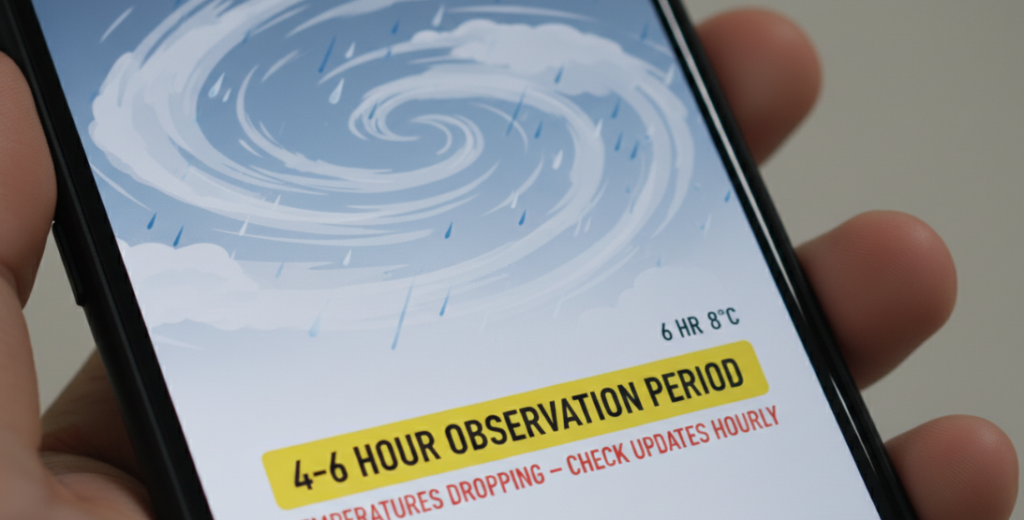
It is easy for many DIY enthusiasts to ignore: look at the weather forecast. Even if the sun is shining and the temperature is 40 °F when you are working, you have to look back. If the temperature drops below freezing within 4 to 6 hours after washing, don’t bother. This buffer time is to allow the surface to dry completely and prevent residual moisture from turning your home into an ice rink at night.
Author: Mark Henderson
“I’m a professional exterior maintenance expert with over 16 years of experience navigating the harsh winters of the North. I’ve seen firsthand how freezing temperatures can ruin expensive equipment and turn a simple driveway cleaning into a safety hazard. My mission is to help homeowners protect their property from corrosive road salts and aging while sharing the ‘gold rules’ of winter maintenance.”
Wait 24-48 Hours After Power Washing Before Painting. Ensure Moisture Is Below 15% To Prevent Blistering And Peeling.
View details
Yes, If Temps Are Above 38°F. Learn The Critical Safety Rules, Best Washing Hours, And How To Prevent Pump Damage Here.
View details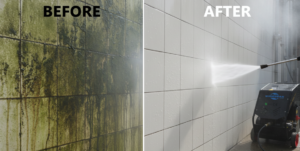
Expert Guide To High-Pressure Tile Cleaning. Learn Methods For Deep Cleaning, Grout Restoration, And Extending Tile Life.
View details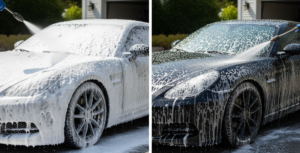
Need A Pressure Washer For Your Foam Cannon? Learn Why High Pressure Is Essential For Thick, Scratch-Free Car Wash Foam.
View details
HelloPlease log in