 Wingspan Tech


How To Fix A Power Washer Pump
24Learn How To Troubleshoot And Repair Your High-Pressure Washer Pump. Follow Our Expert Guide To Identify Faults And Save Money.
View details
Search the whole station
The answer is: Yes, but it is mainly suitable for dealing with old paint that has peeled and peeled off, rather than stubborn coatings that have not yet fallen off. If you are pretreating a wood deck, concrete driveway or exterior wall before renovation, you usually need a machine with a pressure between 2,000 and 3,000 PSI and a yellow 15-degree nozzle. But if you expect to rely solely on water pressure to hard flush those oil paint, often haven’t washed the paint, your wood has cracked or even pricked, cement surface may also leave ugly marks. In order to achieve professional treatment effect, the best way is to soften the old paint with chemical paint remover, manually eradicate the hard-hit areas, and then gently rinse the residue with a green 25-degree nozzle, so as not to hurt the substrate.
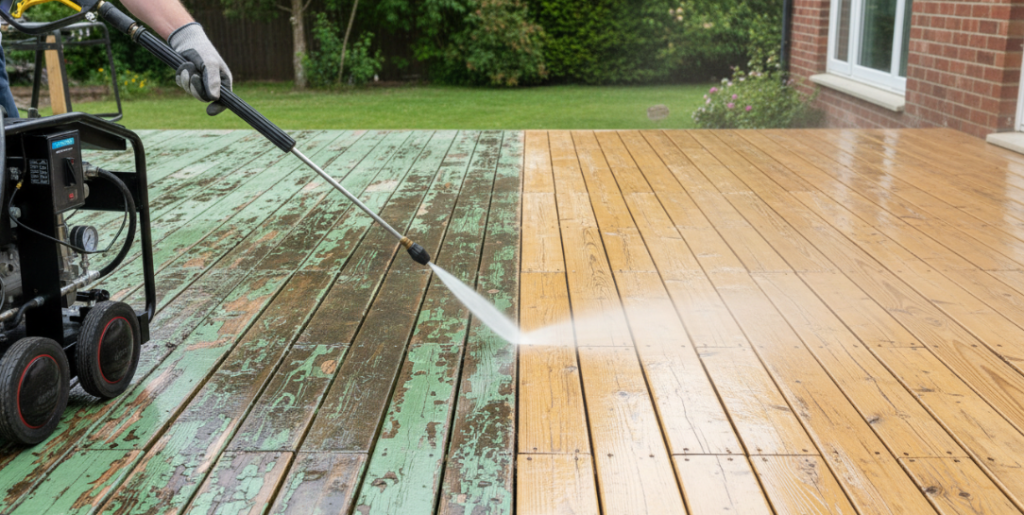
Many people think that water pressure is omnipotent, which is actually a misunderstanding. Although the high-pressure cleaner is an artifact of surface treatment, it is not an “eraser”.
For loose paint: high-pressure water flow can really easily lift off the old paint that has lost adhesion, and the efficiency is very high.
For solid paint: If the paint is still tightly attached to the surface, water pressure alone usually does not solve the problem. Blindly increase the pressure to rush, the paint did not fall off, but the surface was damaged first, which is the most common mistake for beginners.
O-Series High Pressure Washer 220V
The durable ceramic pump and powerful four-stage motor provide high-performance cleaning power, with adjustable pressure, support for customized voltage and power.
380V 1500Bar Water Blaster
1450 RPM ultra-high pressure water jet pump, high cost performance, suitable for 50Hz voltage. It’s a great tool for removing rust and deburring in factories.
Diesel Power High Pressure Cleaner
The pump unit is the core component of a cleaning machine or water treatment system. Composed of a high-pressure plunger pump and an electric motor
Foam Cannon for car washing
Foam Cannon S V3.0 (Thicker Snow Foam Technology) with 1/4 Inch Quick Connector for Pressure Washer, 34 oz Bottle (V3.0 (1/4″ Quick Connector) + SOAP Sample)
To find a balance between cleaning power and surface protection, choosing the right tool is key:
PSI range: domestic paint removal preparation, pressure control at 2,000 to 3,000 PSI is the most secure. If it is too low, it will not work. If it is too high, it will directly destroy the wood grain or the cement surface, which will do more harm than good.
Nozzle selection: The nozzle determines the strength of the water flow.
Yellow (15 degrees): specifically to deal with loose, peeling area. The flow rate is concentrated and powerful, but the hand must move at a constant speed. If it stays at one point, the wood will be washed out of a pit in minutes.
Green (25 degrees): This is my first choice when doing the final rinse. The water flow is wider, the lethality is small, and it is very safe when removing the softened residue, without worrying about hurting the material.
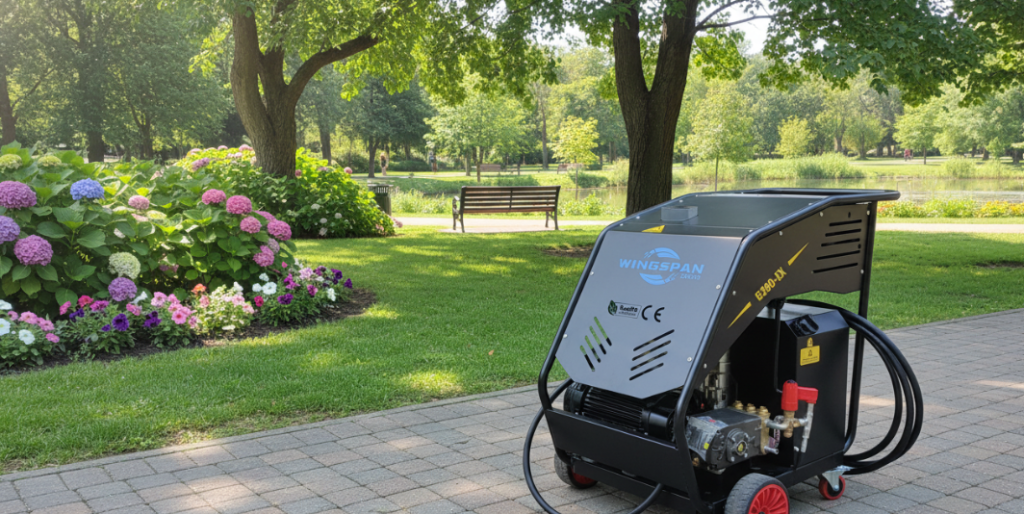
In order to ensure that your exterior walls, decks or driveways are clean and do not need to be repaired later, please follow this process:
Step 1: chemical pretreatment. Before starting the machine, apply a high-quality chemical paint remover. It softens the cured paint layer and breaks the chemical bond between the coating and the surface, so you don’t have to use violent pressure.
Step 2: manual eradication. After the paint remover has worked, treat the most stubborn and heavy areas with a hand scraper. Combining chemical softening with manual cleaning is much safer than simply using a high-pressure nozzle hard “boom.
Step 3: 25 degree nozzle gentle rinse. In the final step, replace the green 25-degree nozzle and rinse off the softened paint flakes and chemical residues. This action allows the surface to reveal its original texture and prepares it for subsequent repainting without cracking the wood or damaging the cement layer.
Regarding the wooden surface: Be sure to follow the wood grain when moving the nozzle. Never let the 15-degree nozzle stay at the same point, even if it is only for a second, the grain of the wood surface may be permanently damaged.
About the cement surface: although the cement is very hard, but the pressure is too much to wash away the surface of the hard “cement slurry layer”, resulting in the surface becomes rough, porous, long but more likely to hide dirt. As long as you operate in accordance with these guidelines, you can ensure that the surface treatment is smooth and clean, laying a good foundation for painting, and you can perfectly avoid those maintenance nightmares caused by improper methods.
Author: Mike Anderson
I am a professional property restoration contractor with over 13 years of experience in exterior maintenance and surface preparation. Throughout my career, I’ve seen countless DIY projects go wrong due to improper tool usage, which is why I’m passionate about sharing professional-grade techniques.
Learn How To Troubleshoot And Repair Your High-Pressure Washer Pump. Follow Our Expert Guide To Identify Faults And Save Money.
View details
Learn How Long House Washing Takes. Discover The 3-Stage Process And Expert Tips For A Professional DIY Finish.
View details
Wait 24-48 Hours After Power Washing Before Painting. Ensure Moisture Is Below 15% To Prevent Blistering And Peeling.
View details
Can Pressure Washing Ruin Concrete? Yes! Learn Pro Tips To Safely Clean Your Driveway, Ideal PSI, And Nozzles To Avoid.
View details
HelloPlease log in